
"drought-tolerant crops"
10550 article(s) found

Introduction to coffee growing technology
Field management loosening weeding: seedling height of 3~6 cm, thinning seedlings, weak seedlings or over-dense seedlings pulled out; seedling height of 10~13 cm when the seedlings, plant spacing of about 30 cm. At the same time of thinning and fixing seedlings, loosen the soil and weed, keep the soil loose. Coffee beans are more drought resistant, soil moisture can be maintained normal growth, dry days, appropriate watering, but in the seedling period for its squatting seedlings should be less

Coffee botany knowledge-Malaysia Coffee City White Coffee
According to the botanical description of coffee: coffee is Rubiaceae, coffee genus, perennial evergreen shrubs or small trees. There are more than 60 types of coffee classified, but there are roughly two varieties of coffee grown commercially on a large scale, one is Arabica, accounting for about 70 percent of the world's coffee planting area, and the other is Robasta, accounting for about 30 percent of the world's coffee planting area. According to our country
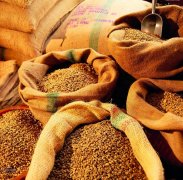
Knowledge of coffee botany basic knowledge of fine coffee
According to the botanical description of coffee: coffee is Rubiaceae, coffee genus, perennial evergreen shrubs or small trees. There are more than 60 types of coffee classified, but there are roughly two varieties of coffee grown commercially on a large scale, one is Arabica, accounting for about 70 percent of the world's coffee planting area, and the other is Robasta, accounting for about 30 percent of the world's coffee planting area. According to our country

Coffee botany is mainly divided into the following five varieties
There are more than 60 types of coffee classified, but there are roughly two varieties of coffee grown commercially on a large scale, one is Arabica, accounting for about 70 percent of the world's coffee planting area, and the other is Robasta, accounting for about 30 percent of the world's coffee planting area. According to our national standards, the classification of coffee is mainly divided into the following five varieties. 1. Small seed coffee, that is, Arabian species. Original production
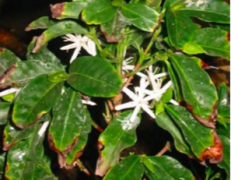
Introduction to Le Roy Lloyd's Coffee (Laurina; Bourbon Pointu) Bourbon Tip
Professional baristas exchange please follow the coffee workshop (Wechat official account cafe_style) Le Roy Lloyd's Coffee (Laurina; Bourbon Pointu) bourbon sharp body mutated from Bourbon, is a variant of var. Laurinan DC, short tree, conical, small leaves, but good quality beans-slightly sour, low bitter, meticulous, with vanilla, citrus, almonds and

Matters needing attention in planting coffee trees what is the introduction of Indonesian coffee
Note: (1) Coffee is a tree, so during the growing period, the following leaves will gradually become old and yellowed, which is a normal phenomenon of plant growth, do not panic, pay attention to timely cleaning of old leaves and yellow leaves; (2) it takes three years for coffee to blossom. The flower has a jasmine-like aroma, which is lighter than jasmine, and has the bitter taste of coffee after taste. The flowering period is from February to May and blossoms continuously. Post-anthesis knot

The characteristics of African coffee beans the Kenyan aa grade determines the charming fruity sour elves.
Professional coffee knowledge exchange more coffee bean information please follow the coffee workshop (Wechat official account cafe_style) front street-Kenya coffee classification introduces African bean flavor: Ethiopian coffee has a strong orange flavor, Kenyan coffee has a strong berry flavor, as well as sour aromas of black plum juice and grapefruit, and sweet sugar cane flavor. The orange aroma of Ethiopian coffee and the berries of Kenyan coffee

The variety of Kenyan coffee beans is one of the flavor factors. How to drink Kenyan coffee elegantly?
Professional coffee knowledge exchange more coffee bean information please follow the coffee workshop (Wechat official account cafe_style) front street-Kenya Coffee introduction although Kenya is adjacent to Ethiopia, the birthplace of coffee, but the development of coffee cultivation industry is relatively late. First planted in Bura, Tata Mountain, Kenya in 1893, the seeds may have been planted on the island of Reunion (bourbon, bourbon).

Coffee knowledge-about planting
The planting techniques of herbal coffee are as follows:

Roasting degree of Yemeni Coffee difference between shallow, medium and Deep roasting Flavor of Yemeni Mocha Coffee Raw beans
Professional coffee knowledge exchange more coffee bean information please follow the coffee workshop (Wechat official account cafe_style) Yemeni coffee ~ miracle pearl Yemen Port Of Mokha Natural PB ~ angel singing taste ~ Yemeni coffee evaluation 97 points are located at a high altitude of 2350m Al-Durrar, this thousand-year-old village monsoon season, hazy clouds bring Rain Water, let the coffee in
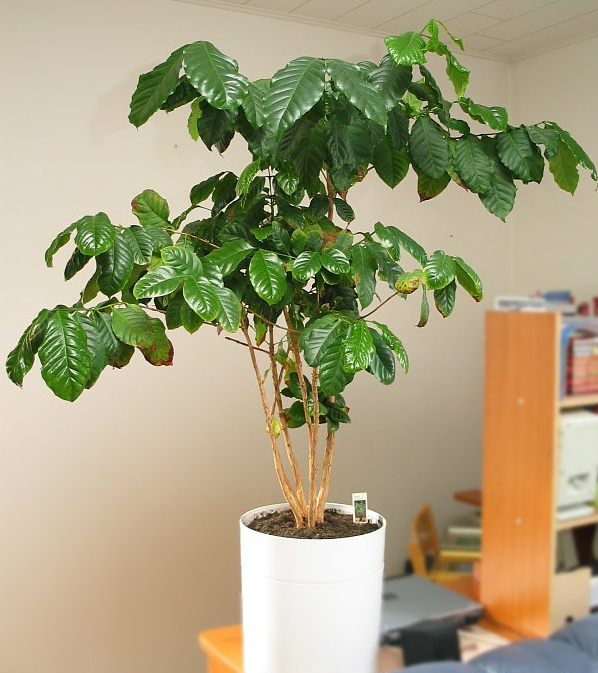
Technical Essentials of planting domestic Coffee trees
First, seeds: they can be picked by themselves or purchased online. Second, seed treatment: choose coffee seeds with good quality and parchment. Third, planting: the treated seeds can be planted directly or soaked in water before planting. Direct planting is very simple, put the seeds directly into vermiculite, the thickness of the surface soil and the thickness of the seeds can be the same; soaking varies according to different seasons. Such as

Kenya Jinchu Coffee Flavor Manor with excellent Flavor characteristics of Fine Coffee beans
The grading of coffee beans in Kenya is slightly different from that in other countries. Kenya uses AATop, AA++, AA, AB,A,B,C and PB to grade beans in addition to the elevation of origin, size and defect rate of beans, which are used by all countries. The quality decreases in turn, AATOP is the highest, and C is used as feed and fertilizer. And PB is a circle.

The planting technique of Coffee
Coffee planting technology 1, growth habits coffee likes warmth, drought and cold tolerance, afraid of frost damage, seedlings and adult plants are easily defoliated to death by frost, seeds can not mature. Coffee is not strict on the land, idle land can also be planted, but with good drainage, deep soil, loose and fertile sandy soil is appropriate. Second, seed selection of planting techniques: before sowing, the germination rate of seeds should be tested. Concrete method

Introduction to grinding scale of Kenyan coffee producing area characteristics and flavor description treatment method
Kenya Coffee producing area characteristics of Flavor description treatment Grinding scale introduction after 6 circles of concentric circles, the electronic claim will show that the amount of water is about 70-80 grams (including 31.8 grams of water for steaming). If more than 80 grams, the flow is too large. You must practice the smallest flow and circle it. Use this fine water to slowly circle and disperse the powder layer formed by steaming, and all the powder is wet to the water, determining the taste.

How to raise potted Coffee trees
Flower friends who like to drink coffee may prefer to plant a coffee tree on their own. Potted coffee trees are not a dream, but can be realized. This article introduces the experience of a flower friend planting coffee trees. Location: Beijing, species: coffee, seeds: can be picked by yourself, can also be obtained from friends. Second, seed treatment: carefully cut a small opening in the epidermis with a knife or scissors

Introduction to the Ancient cultivation of Indonesian Coffee Bean, Bean Bean and Mother Bean
Seed selection: the germination rate of seeds should be tested before sowing. Specific method: divide the full seeds into several parts, number them in turn, take out 125 to 250 grams in each part and put them into corresponding numbered utensils, soak them in warm water for about 50 ℃ for one day and night, pour out the water, rinse again with clean water, then cover with a wet cloth to maintain humidity, bud can be produced after three days, and the bud rate is up to 85%.

Introduction to coffee planting technology-how to grow coffee trees
Field management of loosening soil and weeding: when the seedling height is 3cm to 6cm, the weak or overdense seedlings are pulled out; when the seedling height is 10cm and 13cm, the plant distance is about 30cm. Soil loosening and weeding were carried out at the same time between seedlings and fixed seedlings to keep the soil loose. Coffee beans are more drought-tolerant, and the soil can grow normally when the soil moisture is maintained. During the drought, the coffee beans should be properly watered, but there should be less squatting seedlings during the seedling fixing period.

Introduction of Coffee planting methods what conditions are needed for Coffee Tree planting
The most common way to control coffee bean disease is gray leaf spot, which is caused by a half-known fungus in fungi, which mainly harms the leaves. At the beginning, a light brown spot appeared in the middle of the leaf, and then a gray mildew was produced on the spot. Before or at the initial stage of the disease, 65% Dysen zinc solution 500 times or 800 times 1000 times was sprayed to remove and treat. Insect pests mostly occur in late spring and early summer, especially aphids.
Planting techniques of Coffee
First, planting time: April 15-25 period. Second, planting location: plain, hillside, wasteland, front and back house, forest and fruit tree seedlings can be planted, but should not be planted in tall trees or other unventilated places. Third, herbal coffee does not like flood and fertilizer, conditional planting can use farm manure, during the growth period, it is best to irrigate 1-2 water during the growth period, absolutely do not allow the use of all kinds of chemical fertilizers and
Planting techniques of herbal coffee
First, planting time: April 15-25 period. Second, planting location: plain, hillside, wasteland, front and back house, forest and fruit tree seedlings can be planted, but should not be planted in tall trees or other unventilated places. Third, herbal coffee does not like flood and fertilizer, conditional planting can use farm manure, during the growth period, it is best to irrigate 1-2 water during the growth period, absolutely do not allow the use of all kinds of chemical fertilizers and